Chrome
Taking over from Coastal, the shared history goes back to 1987 starting from the mining and export of chrome. After the joint venture with Glencore International AG (Switzerland) for metallurgical chrome ore ended in 2020 (on very amicable terms), HM decided to concentrate on high grade refractory chrome ore only. Today, HM is the largest exporter of refractory grade chrome ore from Pakistan.
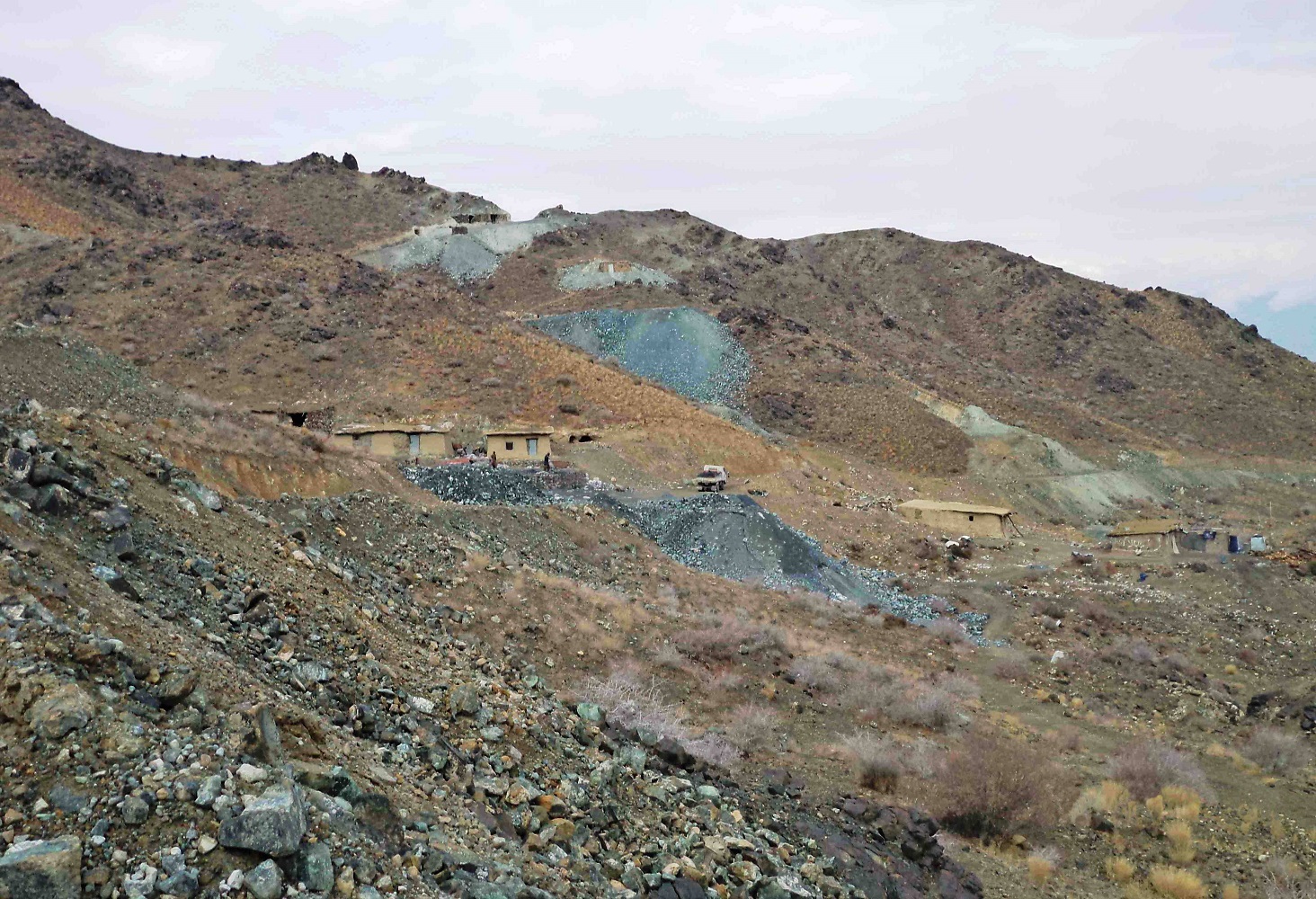
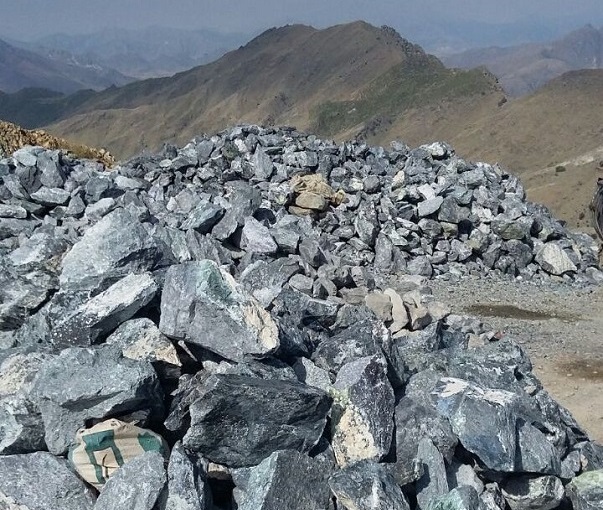
There are abundant reserves of both high grade and low grade metallurgical chrome ore and high grade refractory chrome ore in Pakistan. This map shows the principal areas where chrome or mining takes place – mainly in Balochistan and Khyber Pakhtunkhwa provinces.
HM’s customers include the following:

JAPAN
- Krosaki-Harima Corp [Ako]
- TYK Corp [Tajimi]
- Shinagawa Refractories Co Ltd [Bizen]
- Via Kojo Chemicals Co. Ltd [Osaka]
SOUTH KOREA
- POSCO Future M Co. Ltd [Pohang]
- Via Sekyung Corp [Seoul]
CHINA
- Sinosteel International Trading Co. Ltd [Beijing]
- Yingkou High Technology Synthetic Refractories Co. Ltd [Dashiqiao, Liaoning]
- Yingkou Qinghua Group [Dashiqiao, Liaoning]
- Hebei Zhongming Composite Material Co. Ltd [Xingtai, Hebei]
- Standard Tradeways Co. Ltd [Hong Kong]
- Sino Trust Corporation [Dalian, Liaoning]
- Hebei Abiding Co. Ltd [Shijiazhuang, Hebei]
EUROPE
- RHI Magnesita Trading B.V. [Netherlands]
- Thyssenkrupp Materials Trading GmbH [Germany]
- Slovmag A.S., Lubenik [Slovakia]
AUSTRALIA
- Shinagawa Refractory Australasia Pty Ltd [NSW]
Quality Control & Warehouse Operations
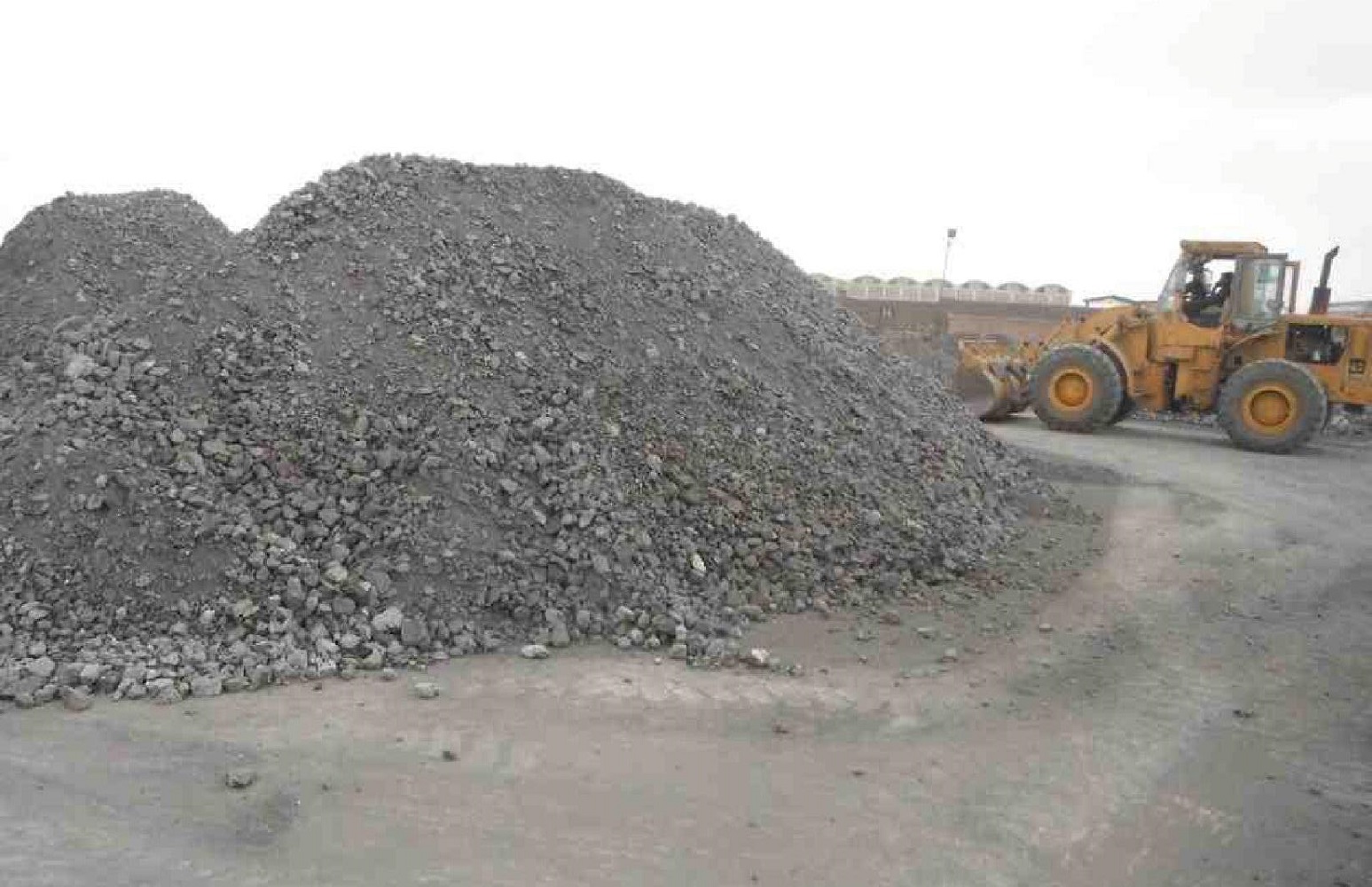
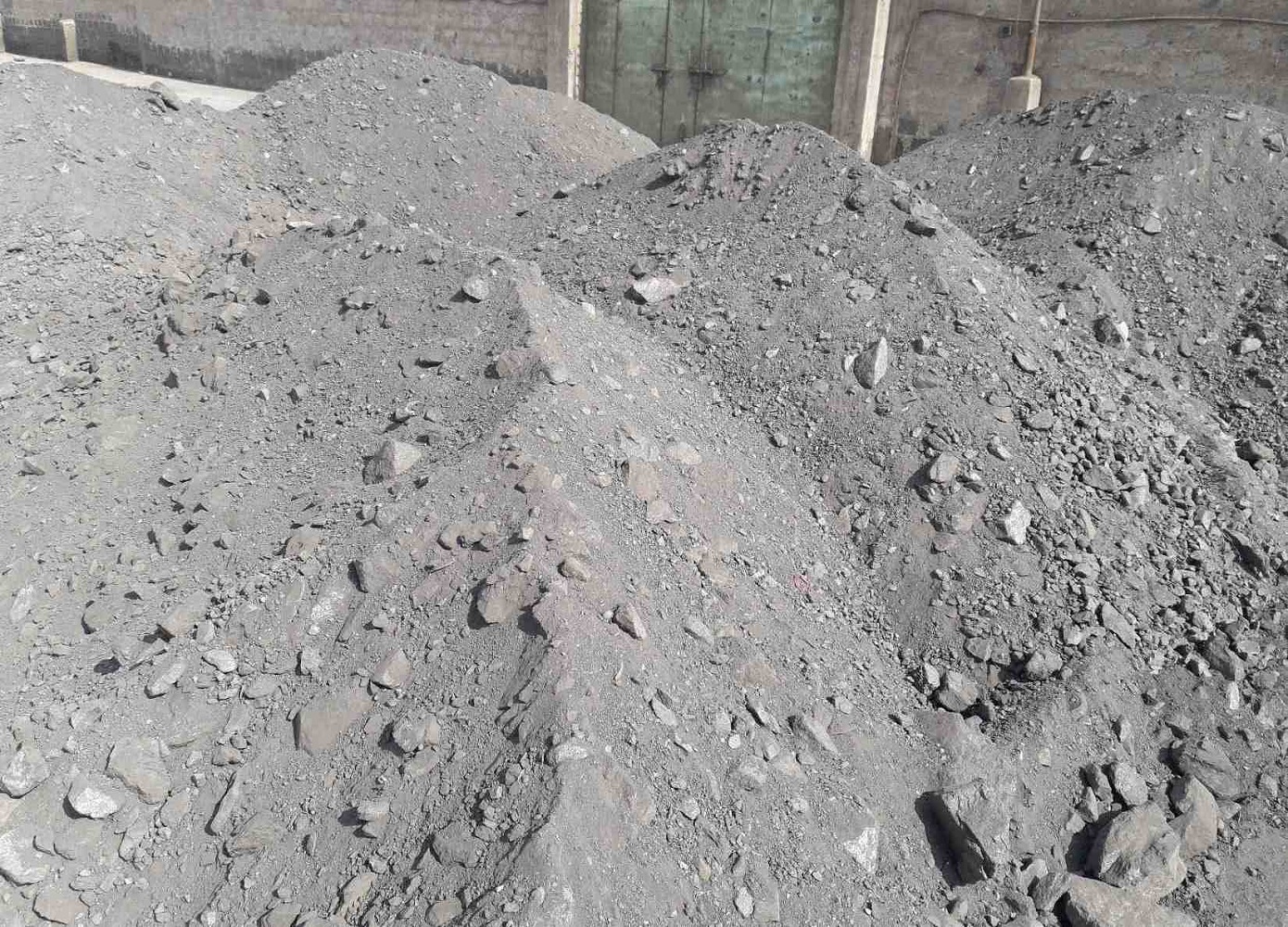
Centrally situated, HM’s chrome ore warehouse is located only about 7 kms from Karachi port on an area spanning 5.50 acres or about 240,000 sq ft. This is where the company’s highly qualified and experienced personnel carry out one of the strictest methods of Quality Control in preparing the appropriate qualities of chrome ore for each customer. A dedicated and committed team of more than 100 people are involved in the preparation process which includes skilled workers, supervisors, technicians and Q.C. staff.
A carefully co-ordinated system has been designed to prepare/process some of the highest and most consistent quality of chrome ore…as can be verified by HM’s many satisfied customers over the past 3½ decades. This preparation/processing is carried out in 2 ways – by hand (6-stage process) and by machinery (10-stage process).
A brief description of each method is given below.
By Hand (Manually)
- Cleaning:
When material first comes from the mines, it is unloaded at the dump point and cleaned. There are always inherently some rubbish/zero stones in the material coming from the mines, especially “serpentine”. The rubbish/zero stones are then cleaned out and the actual chrome ore is segregated.
- Sorting:
After the material is cleaned, it is then sorted. Miners always mix low grade with high grade. This has to be sorted out roughly into low, medium and high grades.
- Chipping:
Next, the ore needs to be chipped not only for rubbish/zero stones, but also mainly for the attached serpentine, which in many cases is actually embedded in the chrome ore, since it very often tends to be the mother rock, located in the ‘veins’ of chrome mines.
- Analysis:
At this point, samples are drawn and sent to the laboratory for analysis. Since new mines and sources are always being developed, material is constantly being analyzed.
- Grading:
After analysis, the material is graded in various different lots analyzing to within two Cr2O3 percentage points and then divided further into two sub-lots for size i.e. lumpy and fines.
- Sizing:
After this, the material is segregated according to the size requirement of the customer, be it 10-250mm, or 25-250mm, or 10-100mm, etc.
At this stage, the goods are ready for delivery and shipment for hard lumpy material. However, for FINES and CONCENTRATES, further processing is required by running the material through HM’s beneficiation plant, details of which are described below.
Beneficiation Plant
- Crushing – Jaw Crusher:
Material is taken from one of the friable/fines lots and then crushed to < 10 mm by passing through a jaw crusher.
- Gravity Separation – Tables:
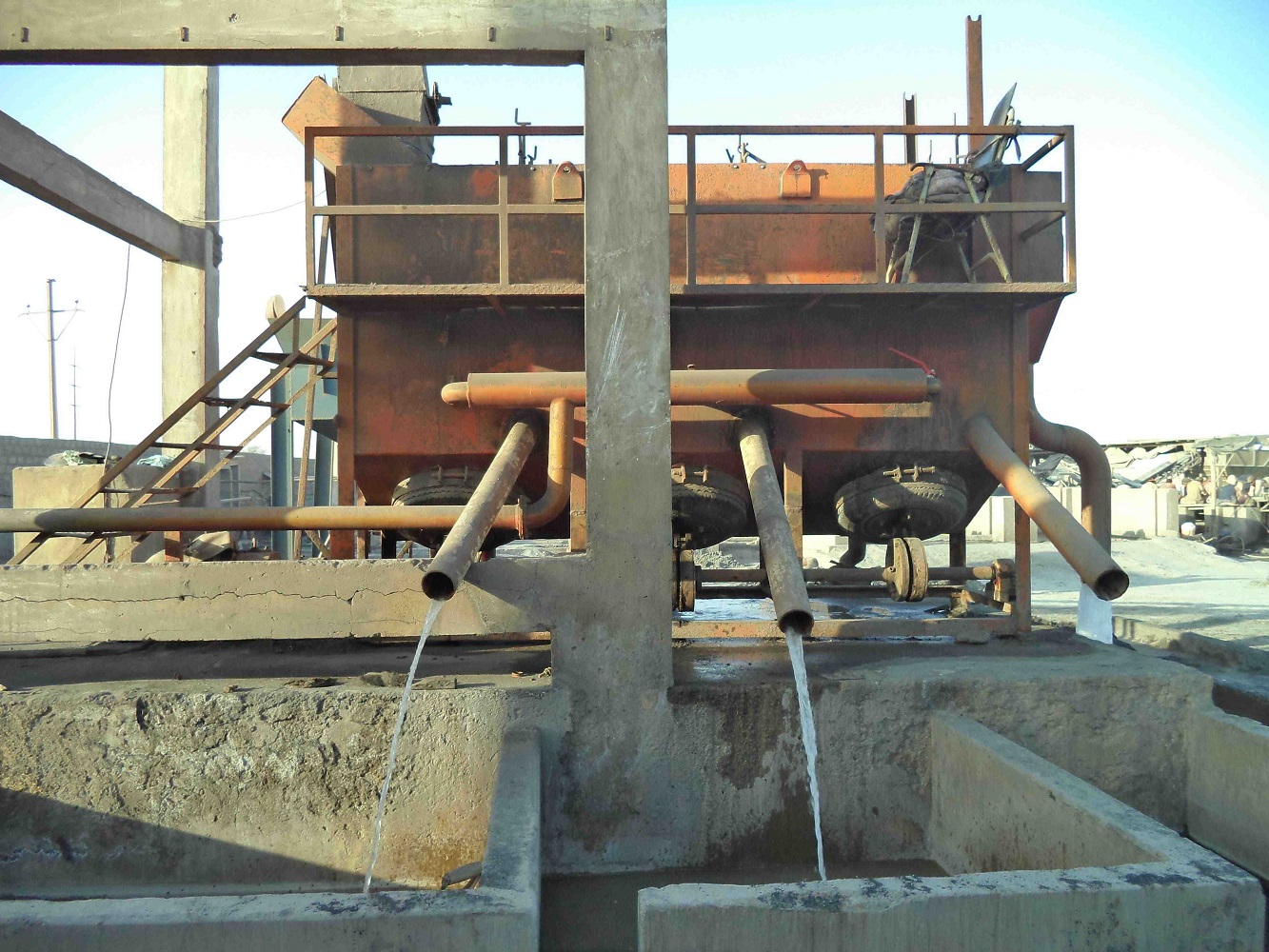
The remaining material is fed to the concentration tables through pipes with the force of “falling” water. These are vibrating tables which perform beneficiation of the ore by means of gravity separation and cleaned with jets of running water. There are 3 outputs: the high grade ore which is ready for the next stage, the ‘middlings’ which will be re-beneficiated and the ‘tailings’ which is discarded.
- Sizing – Stage I:
This is fed to the sizing sieve vibrators (via conveyor belt) and separated/sized at 3-5 mm, 1-3 mm or 0-1 mm, depending on the customer requirement.
- Drying:
The wet material needs to be dried, which is carried out by either using a gas fired rotary kiln or simply spread on the cemented floor to dry under the sun.
- Crushing – Roller Crusher:
After this there is still substantial over-sized material, which is then fed back (via conveyor belt) and crushed by roller crusher to the finer required sizes.
- Analysis:
All batches are then analyzed for the relevant elements.
- Sizing – Stage II:
Repeat of Stage I after the roller crusher, as opposed to after the jaw crusher.
- Screening:
Material is screened to sizes according to customer needs, using vibrating sieves.
- Gravity Separation – Spirals:
Material is then fed by conveyor belt to a height into a distributor filled with water. From here, material is fed to spirals, which drops from a height spiraling around the spiral itself. The concept here is the law of centrifugal force i.e. as material spins around in revolutions at a speed, the lighter material is flushed towards the outside and heavier material stays closer to the pipe at the centre. This is the high grade material i.e. end product which is exported.
- Packing:
The final stage is where the sized material is packed in 1 to 1.2 mt pp bags, depending on customer requirement.
Once packed, the container comes to the warehouse where the bags are loaded into the container by forklift, filled into the container and then sent to the port for shipment.
HM is in a position to supply a wide variety of qualities and sizes to cater to the customer’s individual requirements.